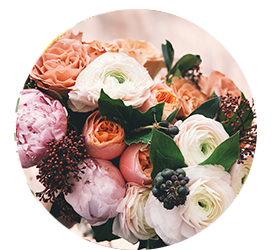
Tottenham Hale wedding flowers supply guide for Seven Sisters
Posted on 02/10/2026
Planning wedding flowers in Tottenham Hale while coordinating everything for Seven Sisters can feel deceptively simple at first. Then the details start stacking up: timings, stem choices, delivery windows, buttonholes, bridal bouquets, table pieces, and what happens if the traffic on the day is slower than you hoped. This Tottenham Hale wedding flowers supply guide for Seven Sisters is here to make the whole process calmer, clearer, and much more manageable.
Whether you are organising a small registry-office celebration, a larger reception, or just need a reliable florist who can handle tight local delivery, the aim is the same: flowers that arrive fresh, look right, and fit the day without last-minute panic. Truth be told, that last-minute panic is where a lot of wedding flower plans go sideways. Let's avoid that.
Below, you will find a practical guide to how wedding flower supply works in this part of North London, what to order, when to order it, how to compare options, and the common mistakes worth sidestepping. If you are weighing up bouquets, bridal sets, corsages, and table arrangements, this should give you a proper starting point.
For broader local browsing, you may also find it useful to look at the main wedding flowers in Seven Sisters collection or the wider Seven Sisters florist offering when planning your order.
Table of Contents
- Why Tottenham Hale wedding flowers supply guide for Seven Sisters Matters
- How Tottenham Hale wedding flowers supply guide for Seven Sisters Works
- Key Benefits and Practical Advantages
- Who This Is For and When It Makes Sense
- Step-by-Step Guidance
- Expert Tips for Better Results
- Common Mistakes to Avoid
- Tools, Resources and Recommendations
- Law, Compliance, Standards, or Best Practice
- Options, Methods, or Comparison Table
- Case Study or Real-World Example
- Practical Checklist
- Conclusion
- Frequently Asked Questions
Why Tottenham Hale wedding flowers supply guide for Seven Sisters Matters
Wedding flowers are not just decoration. They shape the tone of the day, tie together outfits and venue styling, and quietly affect how polished the whole event feels. In a local setting like Tottenham Hale and Seven Sisters, the supply side matters even more because timing and delivery logistics can be the difference between a calm morning and a frantic one.
That is especially true if your ceremony and reception are in different places, or if you are moving between homes, hotels, transport links, and venues across North London. A bouquet can look perfect in the shop, but if it arrives too early and sits in a warm room, or too late and everyone is waiting, the experience changes fast. One small delay. That's all it takes.
Local wedding flower supply is also about knowing the practical realities of the area. Tottenham Hale and Seven Sisters are well connected, yes, but they are still part of a busy urban route where loading access, parking restrictions, and delivery windows need to be respected. A florist who understands those details is doing more than dropping off stems; they are helping the day run smoothly.
Then there is the style side. Wedding flowers need to match the season, the venue, your outfits, and your budget. A good supply guide helps you think through all of that before anything is ordered. It saves money, prevents overbuying, and stops you choosing arrangements that are beautiful in theory but awkward in practice.
How Tottenham Hale wedding flowers supply guide for Seven Sisters Works
At a practical level, wedding flower supply is a coordination process. You select the designs, confirm quantities, agree delivery details, and plan around the wedding schedule. Simple enough on paper. In reality, there are a few moving parts.
Most wedding flower orders involve some combination of the following:
- Bridal bouquet and optional throw bouquet
- Bridesmaid bouquets
- Groom and groomsmen buttonholes
- Flower girl pieces, corsages, or wristlets
- Ceremony flowers such as aisle decorations or altar arrangements
- Reception flowers such as table centres, top table pieces, or entrance flowers
- Optional extras like petals, gift bouquets, or thank-you flowers
In a local supply setup, the florist will usually help you choose flower varieties that suit the season and the overall look you want. For example, if you are after something elegant and classic, white roses, lilies, and orchids tend to create a clean finish. If you want something softer and more romantic, blush tones, mixed blooms, and airy seasonal flowers can work beautifully. If you want a stronger colour story, reds, purples, or mixed-colour palettes make more of a statement.
It also helps to understand that wedding flowers are often made to a different standard than everyday gift bouquets. They need to be secure enough for transport, consistent enough for photos, and resilient enough to survive the day. That means mechanics, hydration, and handling matter behind the scenes, even if they are invisible to guests.
For couples balancing wedding and everyday flower needs, it can be handy to know the same florist may also provide flower delivery in Seven Sisters and even same-day flower delivery for urgent add-ons, though weddings themselves should always be planned well ahead when possible.
Key Benefits and Practical Advantages
Using a focused supply guide for wedding flowers in this area gives you more than convenience. It gives you control. And honestly, wedding planning needs that.
1. Better timing
Wedding flowers are time-sensitive. A local supply plan gives you more confidence that your bouquets and arrangements will arrive in the right condition and at the right moment. That is especially useful if your day includes multiple pick-up points or a short turnaround between ceremony and reception.
2. Easier budget management
When you know what categories you need, you avoid impulse orders and last-minute extras that quietly push the cost up. A proper supply guide helps you decide where to invest, where to simplify, and where a modest arrangement will do the job just fine.
3. Stronger visual consistency
One of the easiest ways to make a wedding look cohesive is to keep the palette and flower family consistent across bouquets, buttonholes, and table flowers. The result feels considered rather than assembled. That's the difference people notice in photos.
4. Less stress on the day
When the florist knows the delivery route, venue access, and timing requirements, you spend less time thinking about flowers and more time actually enjoying the morning. Small thing? Maybe. But on a wedding day, small things become big very fast.
5. Better suitability for your venue
Not every venue needs towering centrepieces. Some spaces are better served by compact table arrangements or low designs that keep sightlines open. A local supply guide helps you choose pieces that suit the room instead of fighting it.
Expert summary: The best wedding flower plans are not usually the most elaborate ones; they are the ones that match the venue, the schedule, and the couple's priorities without creating avoidable pressure.
Who This Is For and When It Makes Sense
This guide is useful for a few different types of readers. If any of these sound like you, you are in the right place.
- Couples getting married locally in or around Tottenham Hale and Seven Sisters
- Families helping organise the day, especially if they are handling flower arrangements or delivery details
- Wedding planners and coordinators who need a local florist process that is easy to manage
- Venue teams who want clear expectations on drop-off times and setup style
- Budget-conscious couples looking for elegant flowers without unnecessary overspend
It also makes sense if you are planning a wedding with a layered schedule. For example, perhaps the ceremony is earlier in the day, photos are in a nearby park or hotel lobby, and then guests move on to a reception elsewhere. In that situation, flowers need to be sturdy, portable, and simple to hand over.
Sometimes the question is not "Do I need local supply?" but "How local do I need it to be?" If your day has a tight timetable, local expertise is usually worth it. If your wedding is more relaxed and you have plenty of lead time, you still benefit from clear ordering and delivery arrangements. Either way, the flowers should feel easy, not like another problem to solve.
Step-by-Step Guidance
Here is a practical way to approach wedding flower supply without getting overwhelmed. This is the part many people wish they had before they started comparing bouquets at 10:30 p.m. on a weekday.
Step 1: Decide the roles flowers need to play
Start with function, not colour. Do you need flowers for the bride only, or for the whole bridal party? Do you need ceremony flowers, table flowers, or both? Are you using flowers mainly for photos, guest experience, or overall styling? Once you know the job, choosing the design gets much easier.
Step 2: Choose your priority items
If the budget is tight, prioritise the pieces that will appear in the most photos and be most visible during the day. That usually means the bridal bouquet, bridesmaid bouquets, and a few key focal arrangements. Buttonholes are small but useful too; they create a tidy, coordinated finish.
Step 3: Match the flower style to the venue and season
Seasonal flowers usually make sense because they tend to look fresh and natural. They can also be more straightforward to work with. If your wedding is in warmer weather, think about blooms that hold well in heat. If it is a winter wedding, structure and texture matter more than volume alone.
Step 4: Confirm quantities carefully
Count every person who needs a bouquet, buttonhole, corsage, or table arrangement. A surprising number of flower issues come from simple counting errors. One extra bridesmaid, one missing buttonhole, one table left bare. You get the idea.
Step 5: Agree the delivery and setup plan
Be clear about where flowers are going, who receives them, and whether anything needs to be left in water or assembled on site. If the flowers are being delivered to multiple addresses, write that down early. Do not leave it to memory. Memory is not a logistics system.
Step 6: Build in a small buffer
Even with good planning, wedding mornings are rarely as calm as they look in the photos. A small buffer for traffic, access delays, or final outfit changes helps a lot. If the florist knows there is breathing room, everyone stays calmer.
Step 7: Confirm care instructions
Ask how to keep the flowers fresh before the ceremony. Some need to stay in water, some should be kept cool, and some need gentle handling only. That tiny bit of care can make a big difference by the time the aisle walk begins.
Expert Tips for Better Results
Here are the tips that usually save the most headaches. Nothing flashy. Just the useful stuff.
Keep your palette disciplined
Too many colours can make the flowers feel disconnected. A tight palette often looks more luxurious than a busy one, even if the actual flower count is similar. White, cream, blush, soft green, and one accent tone are a safe place to start.
Think in photos, not just in person
Flowers have to work in photographs under different light conditions. Morning indoor light, bright outdoor patches, and evening reception lighting all affect how colours read. If possible, ask yourself how the bouquet will look in direct sunlight and under warm indoor lights. That little thought helps.
Ask about shape as well as flowers
A bouquet's silhouette changes the whole feel. Round bouquets are neat and traditional. Loose, hand-tied styles feel more natural. Cascading shapes are dramatic but need more handling. Buttonholes should be small enough to sit cleanly on a jacket without drooping. Shape matters more than people think.
Use sturdy flowers where handling is involved
If flowers need to be moved around, carried between venues, or kept out for a long stretch, sturdy stems are your friend. Roses, chrysanthemums, carnations, alstroemeria, and certain orchids can be reliable in wedding work when designed properly.
Do a practical run-through of the day
Picture the actual flow: who collects the flowers, where they go first, and what happens if someone arrives late. That mental rehearsal sounds a bit dull, but it prevents mistakes. A five-minute run-through can save a forty-minute scramble.
Ask for a realistic plan, not just a pretty one
Pretty is easy. Practical is the real skill. A reliable florist should be able to talk you through how the pieces will travel, where they should be stored, and what is sensible for your venue. That is where good experience shows.
Common Mistakes to Avoid
Wedding flowers are one of those areas where a few small errors can create disproportionate stress. The good news is that most of them are avoidable.
- Leaving ordering too late: Popular wedding dates book up faster than people expect.
- Not checking delivery access: Busy streets, venue restrictions, and loading bays matter.
- Ordering too many different styles: Too much variety can make the floral look feel messy.
- Ignoring weather and season: Some blooms cope better than others.
- Forgetting who needs what: Buttonholes and corsages are easy to miss.
- Choosing arrangements that are hard to transport: Large, delicate pieces may not suit a simple handover.
- Not confirming the timeline in writing: A clear schedule avoids confusion on the day.
One of the more common issues is asking for something beautiful but giving no practical constraints. A florist can work wonders, of course, but they still need the basics: venue size, delivery time, colour direction, and the number of guests. Without that, everyone is guessing a little.
Another easy slip is over-ordering. It sounds harmless, but excess flowers can push the budget around and create clutter in smaller rooms. Sometimes a few well-placed pieces are better than lots of small extras. Less can absolutely be more.
Tools, Resources and Recommendations
You do not need complicated tools to plan wedding flowers well, but a few simple resources help keep everything organised.
- Guest list and bridal party list: useful for counting buttonholes, corsages, and bouquets
- Venue photos: helpful for judging scale and style
- Colour references: fabric swatches, dress photos, or invitation designs can guide the palette
- Timeline notes: useful for delivery windows and photography schedules
- Budget outline: keeps priorities clear
For a quick browse of wedding-specific options, the dedicated weddings collection can be a useful starting point, and items such as bridal bouquets, bridesmaid bouquets, buttonholes, and table arrangements help you build a fuller picture of what may be needed.
If you are exploring colour-led ideas, you may also want to look at the broader style pages such as white flowers, pink flowers, red flowers, purple flowers, or mixed colours. Those can help narrow the mood before you settle on specific stems.
And if your wedding flowers need to sit alongside other event or family orders, the same florist may also be useful for flower shop purchases in Seven Sisters or a broader best flower delivery option for other occasions.
Law, Compliance, Standards, or Best Practice
Wedding flowers are not heavily regulated in the way some industries are, but good practice still matters. The main concerns are handling, safety, clear trading terms, and practical delivery expectations.
From a customer point of view, the most sensible standards are straightforward:
- Clear order confirmation: make sure the date, items, quantities, and delivery details are agreed.
- Transparent payment terms: know what is due and when.
- Reasonable cancellation or amendment expectations: wedding orders often involve custom work, so changes may be limited closer to the date.
- Safe handling and transport: especially for larger arrangements or delicate stems.
- Accessible communication: the florist should be easy to reach if a delivery detail changes.
If you are ordering for a venue, it is worth checking any house rules around access times, flower placement, or candles and open flames if other decor is involved. Wedding flower teams and venue staff usually work well together, but assumptions create the awkward moments. Better to ask once than improvise on the day.
For business transparency and customer reassurance, pages such as delivery information, returns and refund details, terms and conditions, and guarantees are useful to review before placing a wedding order. If sustainability matters to you, the sustainability page is worth a look too.
Options, Methods, or Comparison Table
If you are deciding how to structure your wedding flower order, this simple comparison may help. It is not about "better" or "worse" so much as what fits your day.
| Option | Best for | Pros | Watch-outs |
|---|---|---|---|
| Bridal bouquet only | Small ceremonies, low-key weddings | Simple, budget-friendly, easy to manage | Can feel a little sparse if the venue is otherwise plain |
| Full bridal party set | Coordinated weddings with bridesmaids and groomsmen | Balanced, polished, good for photos | Needs careful counting and timing |
| Flowers plus table arrangements | Receptions that need room styling | Creates a more complete visual story | More expensive and can require setup support |
| Seasonal mixed flowers | Flexible couples and natural styles | Often looks fresh and feels less forced | Exact blooms may vary, so keep an open mind |
| Luxury structured designs | Formal venues and statement weddings | Highly refined finish, strong impact | Usually higher cost and more handling care |
For many couples, the sweet spot is somewhere in the middle: one standout bouquet, a few supporting pieces, and table flowers where guests will actually notice them. No need to overcomplicate things. Really, you do not need flowers to outshine the dress, the vows, or the people.
Case Study or Real-World Example
Here is a realistic example based on a common local wedding setup. A couple living near Tottenham Hale is getting married at a Seven Sisters venue with a reception nearby. They want elegant flowers, but they are keeping the day fairly simple and want the delivery to happen without a fuss.
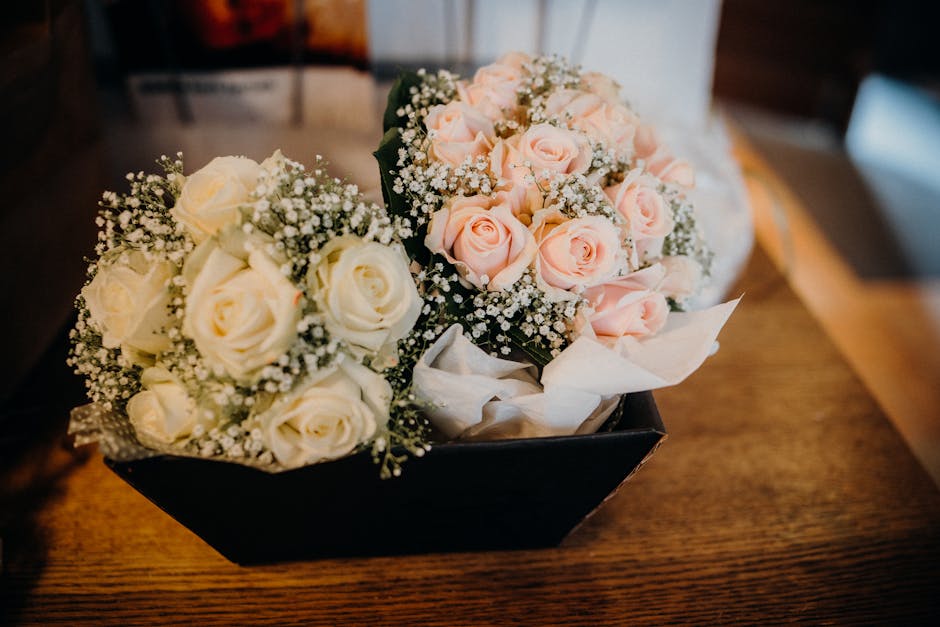
They choose a white-and-soft-pink palette with a bridal bouquet, two bridesmaid bouquets, four buttonholes, and three table arrangements. Instead of trying to do everything with flowers, they focus on the key areas guests will see most: the ceremony space, the top table, and the bouquets in photos. Good call, as it turned out.
The florist confirms the delivery window early and asks for the venue entrance details, because access is a bit tight on the street. The flowers are delivered in sequence, bouquets first, then buttonholes and table pieces. The bridal party gets ready without rushing around, and the flowers stay fresh because the handover is simple and timed properly.
What made it work was not extravagance. It was clarity. The couple knew what they needed, the florist knew the route, and the designs were matched to the scale of the day. That is the kind of planning that tends to feel effortless in the end, even though it took proper thought beforehand.
Practical Checklist
Use this checklist before confirming your wedding flower order. A quick run-through now can save a lot of faff later.
- Confirm the wedding date and ceremony time
- List every person who needs flowers
- Decide whether you need ceremony, reception, or both
- Choose a colour palette and overall style
- Check venue access and delivery details
- Share dress, suit, or decor references if helpful
- Set a budget range before browsing too widely
- Ask which flowers are in season or most suitable
- Confirm whether the flowers need on-site setup
- Review care instructions for the day
- Make sure contact details are correct for delivery day
- Keep a backup plan for any last-minute change
Quick practical tip: if you are unsure between two styles, choose the one that works better in the room rather than the one that looks only good in a close-up photo. Weddings are experienced in spaces, not product shots.
Conclusion
Planning wedding flowers across Tottenham Hale and Seven Sisters does not need to become a second full-time job. With the right supply plan, you can keep the process calm, local, and genuinely enjoyable. Focus on the parts that matter most: timing, quantities, venue fit, and a style that feels like you.
The strongest flower plans are usually the ones that look thoughtful without trying too hard. They fit the day, hold up well, and support the atmosphere rather than stealing the spotlight. And that is exactly what you want, really. Something beautiful, dependable, and quietly right.
If you are comparing options now, it may help to look again at the main wedding flowers range and the broader about us page to understand the service approach before you order.
Get a free quote today and see how much you can save.
When the flowers arrive on time and the room finally comes together, it is a lovely moment. Simple, but lovely.
Frequently Asked Questions
What flowers work best for a wedding in Tottenham Hale and Seven Sisters?
The best flowers are usually the ones that suit your season, venue, and handling needs. Roses, lilies, orchids, alstroemeria, and mixed seasonal blooms are common choices because they can look elegant and travel well when arranged properly.
How far in advance should I order wedding flowers?
It is sensible to order as early as you can once your date and venue are confirmed. For wedding flowers, earlier planning usually gives you a better choice of styles, more certainty on delivery, and less pressure during the final weeks.
Do I need a full floral package or just the essentials?
That depends on your venue and budget. Many couples do well with the essentials: bridal bouquet, bridesmaid bouquets, buttonholes, and a few table pieces. If the room is large or visually plain, you may want more ceremony or reception flowers.
Can wedding flowers be delivered on the same day as the ceremony?
Yes, they often can, but wedding delivery should be planned carefully. Same-day delivery is more common for smaller or urgent flower orders, while wedding flowers benefit from a scheduled delivery window and a little buffer time.
How do I make sure the flowers match my colour scheme?
Share clear references such as dress photos, fabric swatches, invitation designs, or venue images. Even a simple description like "soft white and blush with a little greenery" helps a florist narrow down the right palette.
Are table arrangements really necessary?
Not always. They are useful if you want the reception to feel finished and cohesive, especially for top tables or guest tables that need visual detail. But for very small or casual weddings, they may be optional rather than essential.
What if my venue has limited access or parking?
Tell the florist early. Limited access affects delivery timing, unloading, and how arrangements are carried in. This is one of those practical details that sounds minor until you are standing outside with a bouquet box and no nearby space to stop.
Can I reuse ceremony flowers at the reception?
Often, yes. This is a smart way to stretch the budget. Arch pieces, pedestal arrangements, or entrance flowers can sometimes be moved and repurposed later in the day if the florist or venue team can manage the transfer safely.
How do I keep wedding flowers fresh before the ceremony?
Follow the florist's care instructions closely. In general, flowers should be kept cool, protected from direct heat, and handled gently. If they need water or special storage, make sure the wedding party knows who is responsible.
What should I ask a florist before booking wedding flowers?
Ask about design options, delivery timing, setup support, flower seasonality, payment terms, and what happens if you need to change a detail later. A good florist should be happy to talk through the practical side, not just the pretty side.
Are luxury wedding flowers always better?
Not necessarily. Luxury designs can be stunning, but the best wedding flowers are the ones that suit the venue, the budget, and the couple's taste. A well-chosen simple arrangement often looks more elegant than an overworked expensive one.
What is the easiest way to choose wedding flowers if I feel overwhelmed?
Start with three things: your colour palette, the flowers you absolutely need, and your total budget. Once those are fixed, the rest becomes much easier. If you still feel stuck, ask for a florist-led suggestion based on your venue and style.